
Cloud Solutions

What-Is-Title-II-Compliance-for-PDFs-and-Why-Does-It-Matter-for-the-Organizations

What Is Title 2 Compliance for PDFs and Why Does It Matter for the Organizations

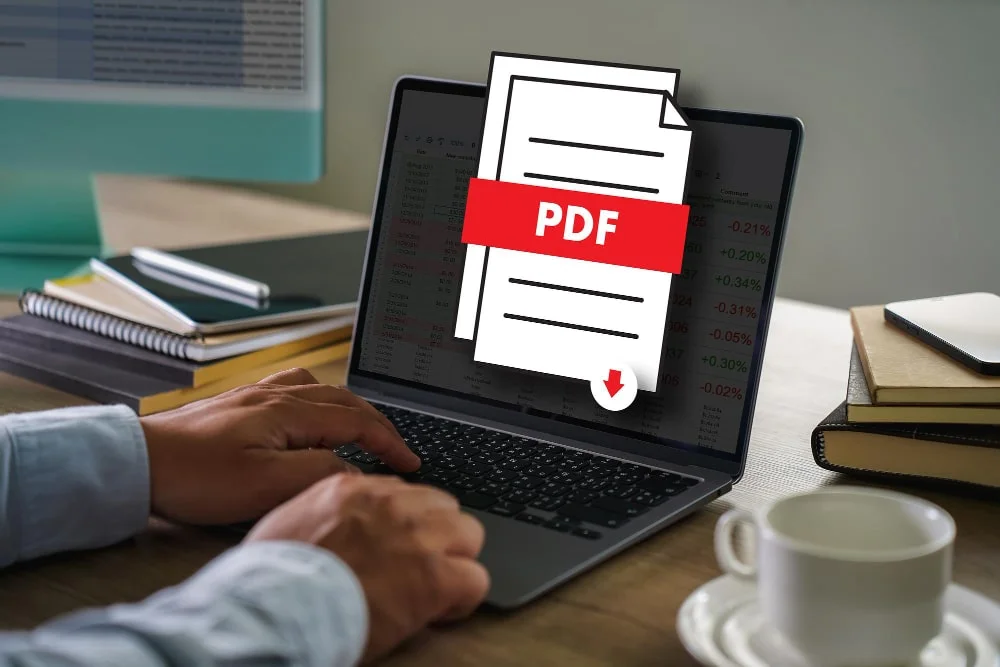
Cloud Solutions February 10, 2026 12:57 pm Marium Siddiqui What Is Title 2 Compliance for PDFs and Why Does It Matter for the Organizations Digital documents are a core part of how organizations operate today. Reports, internal guidelines, forms, and shared resources are often distributed as PDFs. While PDFs are convenient, they can quietly become a compliance risk if accessibility requirements are overlooked. This is where Title II compliance for PDFs becomes important. Title II compliance is not just a legal checkbox; it directly impacts how usable, structured, and reliable your documents are within an organization. Understanding Title II Compliance When it comes to PDFs, Title II compliance focuses on document accessibility, not visual design. A compliant PDF must be structured in a way that assistive technologies can understand and navigate. This includes: Proper tagging and hierarchy Logical reading order Accessible tables and lists Meaningful text alternatives were required A PDF that looks correct on screen can still fail Title II compliance if these structural elements are missing. Why PDFs Commonly Fail Title II Compliance Most PDFs are created for visual consumption first. Common tools export documents without accessibility in mind, leading to issues such as: Missing or incorrect document tags Improper heading structure Incorrect reading order Unlabeled elements within forms or tables These issues are not always visible during a quick review, but they significantly affect how the document functions for accessibility tools. For organizations managing large volumes of documents, manual fixes quickly become inefficient and inconsistent. Why Title II Compliance Matters for Organizations Compliance ReadinessOrganizations are expected to follow accessibility standards as part of their operational responsibilities. Non-compliant PDFs can lead to audit challenges, remediation costs, and reputational risk.   Consistency Across DocumentsAccessibility is not a one-time fix. Organizations regularly update and distribute documents. Without an automated approach, maintaining consistent compliance becomes difficult. Operational EfficiencyManual accessibility remediation takes time and specialized expertise. Automated tools reduce dependency on manual processes and speed up document workflows. Alignment with WCAG 2.1Title II compliance for PDFs often works alongside WCAG 2.1 standards. Structuring documents correctly helps organizations stay aligned with broader accessibility requirements. Title II Compliance vs WCAG 2.1 for PDFs While WCAG 2.1 provides detailed technical guidelines for accessibility, Title II defines the compliance obligation. In simple terms: WCAG 2.1 explains how accessibility should be implemented Title II explains why compliance is required For PDFs, this means organizations need both: Technical alignment (WCAG 2.1) Compliance alignment (Title II / Title 2 compliance) Challenges of Manual PDF Accessibility Organizations often attempt to handle accessibility manually, which leads to: Inconsistent tagging across documents Increased turnaround time Dependence on specialized skills Higher long-term costs As document libraries grow, manual approaches stop scaling effectively. How Automation Supports Title II Compliance for PDFs Automation plays a critical role in maintaining accessibility at scale. Tools like PureData Cloud’s PDF Accessibility Tool help organizations: Automatically apply structured tags Ensure logical reading order Produce compliance-ready PDFs consistently Export accessibility data for record-keeping and audits This approach allows teams to focus on content while the system handles technical compliance requirements. Who Should Prioritize Title II Compliance for PDFs Title II compliance is especially relevant for organizations that: Manage large volumes of internal or shared documents Operate under accessibility or compliance frameworks Require consistent documentation standards Want to reduce long-term accessibility risk Rather than reacting to compliance issues later, proactive accessibility ensures smoother operations. Final Thoughts Title II compliance for PDFs is not about changing how documents look;, it’s about changing how they work. Accessible, well-structured PDFs support compliance, efficiency, and long-term scalability. For organizations handling ongoing document workflows, adopting automated accessibility solutions is no longer optional;, it’s a practical necessity. With tools like PureData Cloud, maintaining Title II and Title 2 compliance alongside WCAG 2.1 becomes part of a streamlined, sustainable process rather than a recurring challenge.

What Is Title 2 Compliance for PDFs and Why Does It Matter for the Organizations Read More »
Why It Matters

Making Every Document Inclusive: Introducing the PureData Cloud PDF Accessibility Tool

Cloud Solutions December 3, 2025 12:29 pm Marium Siddiqui Making Every Document Inclusive: Introducing the PureData Cloud PDF Accessibility Tool In a digital-first world, accessibility is no longer a “nice to have” — it’s a necessity. Whether you’re a school sharing study materials, a healthcare provider sending patient information, or a business publishing reports online, your PDFs need to be accessible to everyone — including people who rely on assistive technologies like screen readers. Yet, most organizations still struggle with PDF accessibility. Manual tagging takes hours, costs add up quickly, and even the most experienced teams can miss compliance details. That’s where PureData Cloud’s PDF Accessibility Tool changes everything. What Is the PDF Accessibility Tool? The PureData Cloud PDF Accessibility Tool automates the transformation of standard PDFs into WCAG 2.1 AA and PDF/UA-compliant documents.Built on advanced AI and cloud technologies — including Amazon Nova Pro, Adobe APIs, and AWS Lambda — it’s designed to make accessibility faster, simpler, and more scalable. In short: it turns manual hours into minutes. How It Works The process is simple, smart, and fully automated: Upload a Document – Start by uploading your PDF into the secure PureData Cloud environment. AI-Driven Analysis – The tool scans the layout, structure, and embedded content. Smart Tagging & Alt Text – Headings, lists, tables, and images are automatically tagged and labeled with contextual descriptions. Rebuild & Optimize – Metadata, bookmarks, and navigation are added for screen reader compatibility. Download & Validate – Within minutes, you receive a fully accessible PDF — compliant with global standards. That’s it. No coding, no plugins, no manual markup. Key Features at a Glance AI-Powered Alt-Text for images, charts, and diagrams Automated Structural Tagging (H1–H6, tables, lists) Auto-Generated Table of Contents and metadata Scalable Cloud Processing via AWS Lambda Interactive Dashboard for monitoring usage, API counts, and costs Client-Hosted Deployment for complete data privacy and control Why It Matters Accessibility isn’t just about compliance — it’s about inclusion. Millions of people with visual or cognitive disabilities rely on accessible content to participate fully in digital spaces. By automating accessibility, organizations can: ✅ Save time and reduce remediation costs by over 80% ✅ Ensure consistency and accuracy across large document libraries ✅ Strengthen compliance with ADA, Section 508, WCAG 2.1, and PDF/UA ✅ Demonstrate a genuine commitment to digital inclusion Who It’s For This tool is built for organizations that work with large volumes of PDFs and value compliance and efficiency: Educational institutions digitizing course materials Libraries and archives managing digital collections Healthcare organizations sharing patient information Government and public sector agencies with compliance mandates Enterprises maintaining internal and external reports Whether you’re managing 100 documents or 100,000, the system scales effortlessly. Compliance You Can Trust The PureData PDF Accessibility Tool is designed to meet: WCAG 2.1 AA standards PDF/UA 1.0 requirements Section 508 accessibility compliance With 95%+ accuracy and complete data control within your own cloud environment, you’re always compliant and secure. The Results Speak for Themselves Organizations using the PureData Cloud PDF Accessibility Tool report: 80% reduction in manual remediation time 95%+ tagging accuracy 100% compliance-ready outputs Full cost transparency and control Accessibility has never been this easy, fast, or reliable. Join the Accessibility Revolution PureData Cloud’s mission is simple: to make technology inclusive, automated, and intelligent. With our PDF Accessibility Tool, you can ensure your documents meet compliance standards – while embracing true digital inclusion.

Making Every Document Inclusive: Introducing the PureData Cloud PDF Accessibility Tool Read More »

Why Amazon Connect is the Future of Cloud Contact Centers in 2025

Amazon Connect 2025: Future of Cloud Contact Centers

Cloud Solutions September 19, 2025 1:05 pm Marium Siddiqui Amazon Connect 2025: Future of Cloud Contact Centers The Contact Center Challenge Today In today’s world, customer expectations are higher than ever. Businesses need contact centers that are cost-efficient, scalable, and AI-powered to deliver seamless experiences across channels. Traditional on-premise call centers are expensive, complex, and often fail to keep up with rapid customer demands. That’s where Amazon Connect, delivered with PureData Cloud’s expertise, comes in. What is Amazon Connect? Amazon Connect is an AWS-powered cloud contact center solution designed to simplify customer engagement. Unlike traditional setups that require heavy infrastructure and IT overhead, Amazon Connect is: Pay-as-you-go (no licensing or upfront costs) Fully scalable (grow or shrink instantly with demand) AI-powered (integrated with AWS AI/ML services like Amazon Lex & Polly) Omnichannel (voice, chat, and digital support in one platform) With PureData Cloud, we help businesses implement, customize, and optimize Amazon Connect to fit their unique industry needs. Key Benefits of Amazon Connect with PureData Cloud Reduced Costs – Save up to 80% compared to traditional contact centers (no hardware or licenses). Scalability on Demand – Expand during peak seasons, scale back when volumes drop. AI-Enhanced Support – Chatbots, sentiment analysis, and predictive analytics to elevate customer experiences. Omnichannel Communication – Manage calls, chat, and messages in one unified platform. Seamless Integration – Connect with CRMs, ERP systems, and custom applications for smooth workflows. Industry Use Cases Healthcare – Automate appointment scheduling, patient reminders, and 24/7 helpline support. Retail & eCommerce – Enable AI-powered chatbots for order tracking, returns, and personalized shopping assistance. Finance – Provide secure customer verification, fraud alerts, and real-time account assistance. Education – Support student inquiries, enrollment, and administrative services with automated responses. PureData Cloud ensures Amazon Connect is tailored to your industry, improving efficiency, compliance, and customer satisfaction. Why Partner with PureData Cloud? While Amazon Connect provides the platform, PureData Cloud delivers the expertise to make it work for your business. Our team helps with: End-to-end deployment (from strategy to execution) Custom AI chatbot development integrated with Amazon Connect Analytics dashboards to track performance and customer trends Ongoing support & optimization for maximum ROI We don’t just set up technology — we transform your customer experience. Ready to Redefine Your Contact Center? The future of customer engagement is cloud-native, AI-driven, and scalable. Amazon Connect is leading this shift, and PureData Cloud is here to help you make the most of it. 👉 Let’s build your future-ready contact center today. Contact Us

Amazon Connect 2025: Future of Cloud Contact Centers Read More »